School Bus Embroidery
The transition from summer break to the academic year is a significant milestone for families, marking a period of new routines, learning opportunities, and social interactions. For parents, teachers, and craft enthusiasts, this time often involves preparing personalized items that celebrate the start of school. Among the various decorative techniques available, machine embroidery has emerged as a popular method for adding durable, professional-looking details to textiles. Specifically, School Bus Embroidery designs have become a staple in back-to-school crafting due to their recognizable imagery and nostalgic appeal.
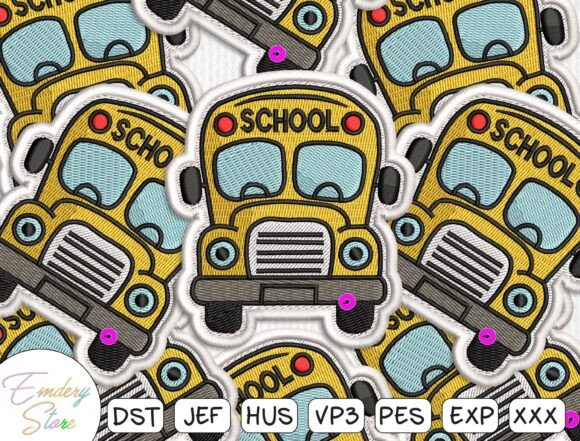
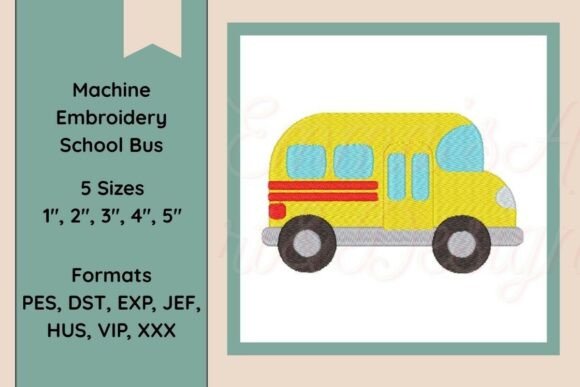
A high-quality digital machine embroidery design featuring a bright yellow school bus offers more than just aesthetic value; it provides a versatile template for personalization. These designs typically feature clean stitching lines and vibrant color palettes that mimic the iconic look of traditional transport vehicles used in education systems. Whether intended for children’s clothing, backpacks, or tote bags, these embroidered motifs serve as a functional and decorative element that resonates with the school environment.
Understanding School Bus Embroidery Designs
School bus embroidery refers to digital files specifically created for computerized embroidery machines. These files contain stitch data that instructs the machine on how to recreate the image using thread. A well-constructed design ensures that the final product maintains its shape and color fidelity without puckering or distortion. The visual characteristics of these designs often include bold outlines, simplified shapes, and strategic use of negative space to accommodate the limitations of thread density.
When evaluating a school bus embroidery design, several technical aspects come into play. The number of colors required can range from simple two-color setups (yellow body and black windows) to complex multi-hue versions that include red stop signs, white lettering, and gray wheels. High-quality designs prioritize efficient stitch paths to reduce sewing time and minimize thread breaks. Additionally, the scale of the design must be appropriate for the intended fabric surface, ensuring that the bus remains legible and proportionate whether placed on a small name tag or a large backpack panel.
Applications and Use Cases
The versatility of school bus embroidery makes it suitable for a wide array of projects. Below are common applications where this design excels:
- Kids’ Clothing and Outfits: Embroidering a small school bus onto t-shirts, hoodies, or denim jackets adds a playful touch. It serves as a comfortable and durable alternative to printed graphics, which may crack or fade after repeated washing.
- Back-to-School Projects: Parents often create matching outfits for siblings or customize uniforms with subtle embroidery to foster a sense of individuality within dress code guidelines.
- Tote Bags and Backpacks: Canvas totes and nylon backpacks provide ideal surfaces for embroidery. The sturdy nature of these materials supports the weight of the stitches, preventing fabric damage over time.
- Preschool and Daycare Items: Personalized cubby labels, nap mats, and storage bins benefit from clear, recognizable identifiers. A school bus motif helps young children identify their belongings easily.
- Gifts for Teachers and Students: Customized gifts, such as embroidered aprons for teachers or personalized pencil cases for students, carry sentimental value and demonstrate thoughtfulness.
Evaluating Benefits and Tradeoffs
Choosing to incorporate school bus embroidery into your projects involves weighing several factors. Understanding these benefits and tradeoffs helps in making an informed decision.
Benefits
Durability: Unlike screen printing or heat transfers, embroidery threads are stitched directly into the fabric fibers. This results in a finish that withstands frequent laundering and heavy use without peeling or cracking. For items like backpacks and uniforms, this longevity is a significant advantage.
Professional Appearance: Machine embroidery offers a textured, raised look that conveys quality and professionalism. This is particularly beneficial for branded items or gifts where presentation matters.
Customization Potential: Digital designs allow for easy modification. Users can adjust sizes, change color schemes to match team colors or personal preferences, and combine the bus motif with text or other icons to create unique compositions.
Tradeoffs and Considerations
Equipment Requirements: Creating embroidered items requires access to a computerized embroidery machine. While many households own standard sewing machines, not all support embroidery functions. Purchasing or renting specialized equipment represents a financial investment.
Fabric Limitations: Not all fabrics are suitable for embroidery. Stretchy knits, thin silks, or highly textured materials may require stabilizers or specific hoop types to prevent distortion. Heavy fabrics might also need pre-cutting or reinforcement to handle the tension of the needle.
Time Investment: Embroidery processes are generally slower than printing. A single medium-sized design can take 15 to 30 minutes to complete, depending on complexity. For bulk orders, this time constraint can impact productivity.
Decision-Making Insights
To determine if school bus embroidery aligns with your goals, consider the following questions:
- What is the volume of production? If you are creating one-off gifts or a few personalized items, embroidery is feasible and cost-effective. However, for large-scale production (e.g., hundreds of shirts), screen printing or sublimation may offer faster turnaround times and lower per-unit costs.
- What is the budget? Factor in the cost of the embroidery file, thread, stabilizers, and potential equipment maintenance. Compare these against the price of pre-printed alternatives to assess value.
- Who is the end user? For children who engage in active play, durability is paramount. Embroidery’s resistance to wear makes it a strong fit for this demographic. For temporary event merchandise, cheaper methods might suffice.
- What is the desired aesthetic? If a flat, graphic look is preferred, embroidery might appear too textured. Conversely, if a tactile, premium feel is desired, embroidery is superior.
When Alternatives May Be Worth Considering
While school bus embroidery is effective for many scenarios, there are situations where alternative decoration methods are more appropriate. For instance, if the project involves dark-colored fabrics where thread contrast is difficult to achieve, direct-to-garment (DTG) printing might provide better color vibrancy. Similarly, for intricate photographic details that exceed the resolution capabilities of thread, vinyl cutting or digital printing could yield sharper results.
Additionally, if the primary goal is speed rather than durability, heat transfer vinyl (HTV) allows for quicker application with less setup time, though it lacks the same level of permanence as embroidery.
Conclusion
School bus embroidery represents a blend of nostalgia, practicality, and craftsmanship. By understanding the technical requirements, material compatibility, and production constraints, creators can effectively utilize these designs to enhance back-to-school projects. Whether for personal use, educational institutions, or commercial gifts, the key lies in selecting the right approach based on specific needs. With careful planning and attention to detail, school bus embroidery can produce lasting, high-quality results that stand out during the academic year.