Floral Pencil Classroom Learning Accent: A Guide to Integrating Nature and Education in Embroidery
The intersection of traditional education and artistic expression has long been a fertile ground for creative projects, particularly within the realm of textile arts. Among the myriad designs available to crafters, educators, and school staff, the Floral Pencil Classroom Learning Accent stands out as a distinctive choice that bridges the gap between academic rigor and natural beauty. This embroidery artwork is not merely a decorative element; it is a symbolic representation of growth, knowledge, and the nurturing environment essential for effective learning.
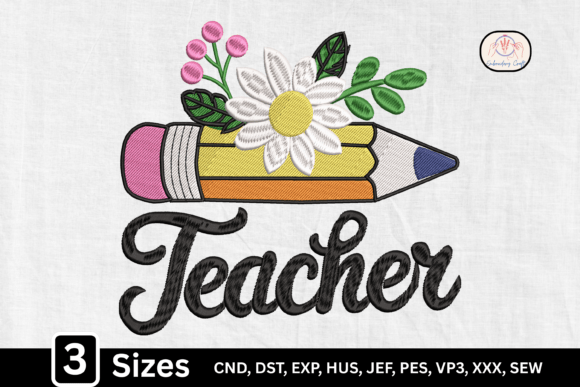
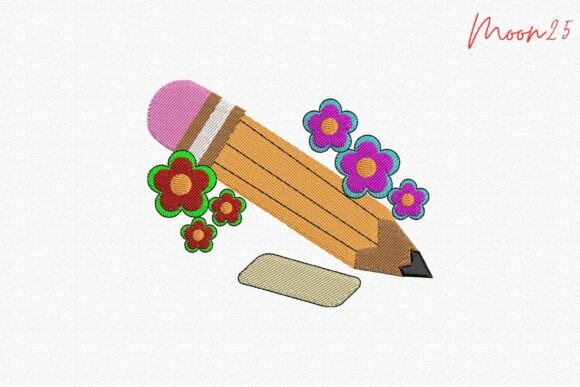
At its core, this design features a classic pencil—a universal icon of writing, creativity, and intellectual pursuit—surrounded by an intricate arrangement of floral elements. The juxtaposition of the rigid, functional shape of the pencil with the organic, flowing lines of flowers creates a visual harmony that resonates deeply with both teachers and students. By combining these two distinct themes, the design offers a versatile solution for various educational applications, from classroom decor to personalized gifts for educators. Understanding the nuances of this artwork allows creators to maximize its potential in fostering a welcoming and inspiring atmosphere in any learning space.
The Symbolism Behind the Design
To fully appreciate the value of the Floral Pencil Classroom Learning Accent, one must first understand the symbolic weight carried by its individual components. The pencil is perhaps the most recognizable tool in the history of education. It represents the act of creation, the process of drafting ideas, and the permanence of written thought. Unlike digital tools which can be ephemeral or distracting, the pencil suggests focus, discipline, and the tactile experience of learning. In embroidery, rendering a pencil requires precision, mirroring the care taken in the educational process itself.
Conversely, flowers are timeless symbols of nature, growth, and vitality. They represent the blooming of potential and the seasonal cycles of life. When integrated into an educational context, floral motifs soften the often sterile or rigid perception of school environments. They introduce warmth, color, and a sense of calm. The combination of the pencil and flowers in the Floral Pencil Classroom Learning Accent design suggests that education is not just about acquiring facts but also about cultivating the mind and spirit. It implies that learning, like gardening, requires patience, nurturing, and the right conditions to flourish.
Practical Applications in Educational Settings
The versatility of this embroidery motif makes it suitable for a wide array of practical applications across different educational levels and settings. For classroom teachers, integrating such designs into physical materials can significantly enhance the aesthetic appeal of their teaching spaces. Consider the following use cases where this artwork proves particularly effective:
- Classroom Organizers and Decor: Embroidering the design onto fabric bins, pocket charts, or bulletin board borders can transform mundane storage solutions into charming focal points. The cheerful colors of the flowers help organize chaos while maintaining a positive vibe.
- Teacher Appreciation Gifts: Personalized tote bags, aprons, or journal covers featuring the Floral Pencil Classroom Learning Accent make thoughtful and lasting gifts. These items serve as daily reminders of appreciation and support for the hard work educators put in.
- Student Accessories: For older students, applying this design to backpacks, pencil cases, or book covers adds a touch of personality without being overly childish. It strikes a balance between professionalism and playfulness.
- Library and Reading Nooks: Libraries benefit greatly from softening their ambiance. Using this artwork on reading pillows, bookmarks, or library card holders encourages a love for literature and quiet study.
Homeschool families and tutors can also leverage this design to create a dedicated learning zone at home. By stitching the motif onto curtains, wall hangings, or desk organizers, they establish a consistent visual theme that signals "learning time" while keeping the environment inviting rather than intimidating.
Technical Considerations for Embroidery Projects
While the conceptual appeal of the Floral Pencil Classroom Learning Accent is strong, successful execution depends on technical proficiency and material selection. Embroidery digitization plays a crucial role in how the final product appears. The design must be balanced to ensure that the detailed pencil does not get lost amidst the complexity of the floral accents. Key considerations include:
- Thread Selection: To capture the vibrancy of the flowers, high-quality polyester or cotton threads are recommended. Metallic threads can be used sparingly to highlight the lead of the pencil or specific flower centers, adding a subtle shine that catches the eye.
- Fabric Choice: The base fabric should be sturdy enough to support the stitch density of the pencil without buckling. Cotton canvas, denim, or heavy-weight twill are excellent choices for items like tote bags and aprons. For softer items like scarves or lightweight shirts, a stabilizer is essential to prevent distortion.
- Stitch Types: A mix of satin stitches for the outline of the pencil and fill stitches for the flower petals creates textural contrast. This variation adds depth to the artwork, making it more engaging to look at. The leaves can be rendered with simpler running or stem stitches to provide a lighter counterpoint to the denser flower heads.
- Placement and Scale: Depending on the item being embroidered, the scale of the design may need adjustment. On a small item like a keychain or bookmark, the details might need to be simplified to maintain clarity. On larger items like a classroom banner, the full detail of the floral arrangement can be appreciated.
Benefits for Educators and Students
Beyond aesthetics, incorporating art into educational materials offers psychological and pedagogical benefits. The presence of the Floral Pencil Classroom Learning Accent contributes to a positive learning environment in several ways:
Reducing Anxiety: Schools can sometimes be high-pressure environments. Visual cues that evoke nature and tranquility, such as floral patterns, can help reduce stress for both teachers and students. A calming visual backdrop allows for better concentration and emotional regulation during lessons.
Encouraging Creativity: When students see their own creativity reflected in their materials—such as a custom-embroidered notebook cover—they are more likely to engage with their work. It fosters a sense of ownership and pride in their educational journey. The pencil symbolizes the power to create, reinforcing the idea that every student has a voice.
Building Community: Shared visual themes help build a sense of belonging. When classrooms are decorated with cohesive, cheerful designs, it reinforces the identity of the class. It signals to visitors, parents, and students alike that this is a place where joy and learning coexist.
Seasonal Relevance and Longevity
One of the standout features of the Floral Pencil Classroom Learning Accent is its year-round applicability. While many educational motifs are strictly tied to specific times of the year—such as pumpkins for autumn or snowflakes for winter—this design transcends seasonal boundaries. Flowers are associated with spring, but their presence in embroidery often evokes perpetual renewal and growth, making them appropriate for any season.
This longevity makes it a cost-effective choice for schools and organizations with limited budgets. A single design can be utilized from the beginning of the school year through graduation, and even beyond, as alumni return to visit or continue their professional development. During back-to-school season, the fresh look of the flowers aligns perfectly with new beginnings. During teacher appreciation week, the elegance of the design honors the profession. In literacy months, the pencil takes center stage, celebrating the written word.
Target Audience and Customization Potential
The broad appeal of this artwork lies in its adaptability to various demographics. It is not limited to elementary schools; middle and high school educators can also utilize it by adjusting the color palette. For instance, using deeper, more muted tones for the flowers can give the design a sophisticated look suitable for older students or professional development workshops. Similarly, librarians and administrative staff can use it to humanize institutional spaces, making them feel more approachable.
Customization is another key advantage. Creators can modify the types of flowers included in the bouquet to reflect local flora, adding a regional touch that resonates with the community. Alternatively, the pencil can be customized with school colors or mascots, further personalizing the item. This flexibility ensures that the Floral Pencil Classroom Learning Accent remains relevant and meaningful to diverse groups of users.
Conclusion
In summary, the Floral Pencil Classroom Learning Accent is more than just an embroidery pattern; it is a multifaceted tool for enhancing educational environments. By blending the symbolic power of the pencil with the organic beauty of flowers, it creates a narrative of growth, creativity, and nurturing. Whether used for practical classroom organization, heartfelt gifts, or personal learning accessories, this design offers a professional yet friendly aesthetic that appeals to a wide audience. Its technical versatility, seasonal neutrality, and emotional resonance make it an invaluable asset for anyone looking to bring a touch of charm and inspiration to the world of education.